Comforters are essential bedding layers that provide warmth, softness, and a cohesive aesthetic for a well-made bed. This category focuses on understanding material composition, fill Power, and construction techniques that influence heat retention, loft, and durability. Knowledge of these features helps match a comforter to climate, sleeper preferences, and existing bedding ensembles such as pillows and sheets for a balanced look.
Materials commonly used in comforters include cotton, wool, synthetic blends, and down alternatives, each offering distinct warmth profiles and breathability. Wool comforters, for example, regulate temperature through natural moisture management, while cotton covers tend to be lightweight and durable. Selecting the right fabric and fill weight supports comfort across seasons and sleep environments on buildabedroom.com.
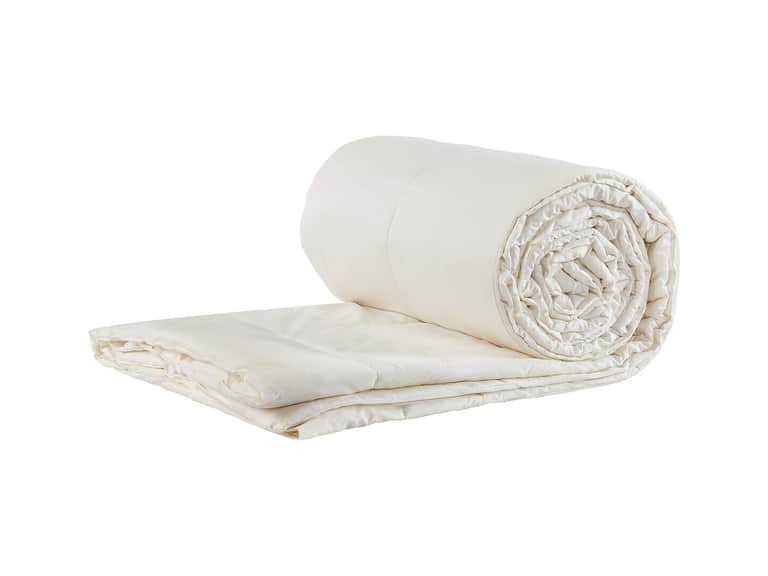
Understanding fill types and loft is key to predicting performance. Higher fill power generally indicates greater warmth and fluff, contributing to a plush feel, whereas lower loft offers a sleeker silhouette. The Sleep and Beyond myComforter line demonstrates variations in fill density and construction, illustrating how design choices translate to comfort, weight, and ease of care.
Care considerations and durability are important when evaluating comforters for long-term use. Many options are machine washable and require specific drying methods to preserve loft and fabric integrity. Proper care extends the life of features like stitched baffles, box-stitched seams, and edge reinforcements, maintaining even insulation and reducing cold spots during use.
Informed bedding decisions also involve compatibility with existing accessories such as pillows and adjustable beds. A well-matched comforter works with new or existing sheets, duvet covers, and bed frames to create a cohesive sleep environment. The category reviews essentials of layering, temperature regulation, and functional benefits from the Sleep and Beyond myComforter offerings.
 Bedding